 Trip Well Spent
The short verdict
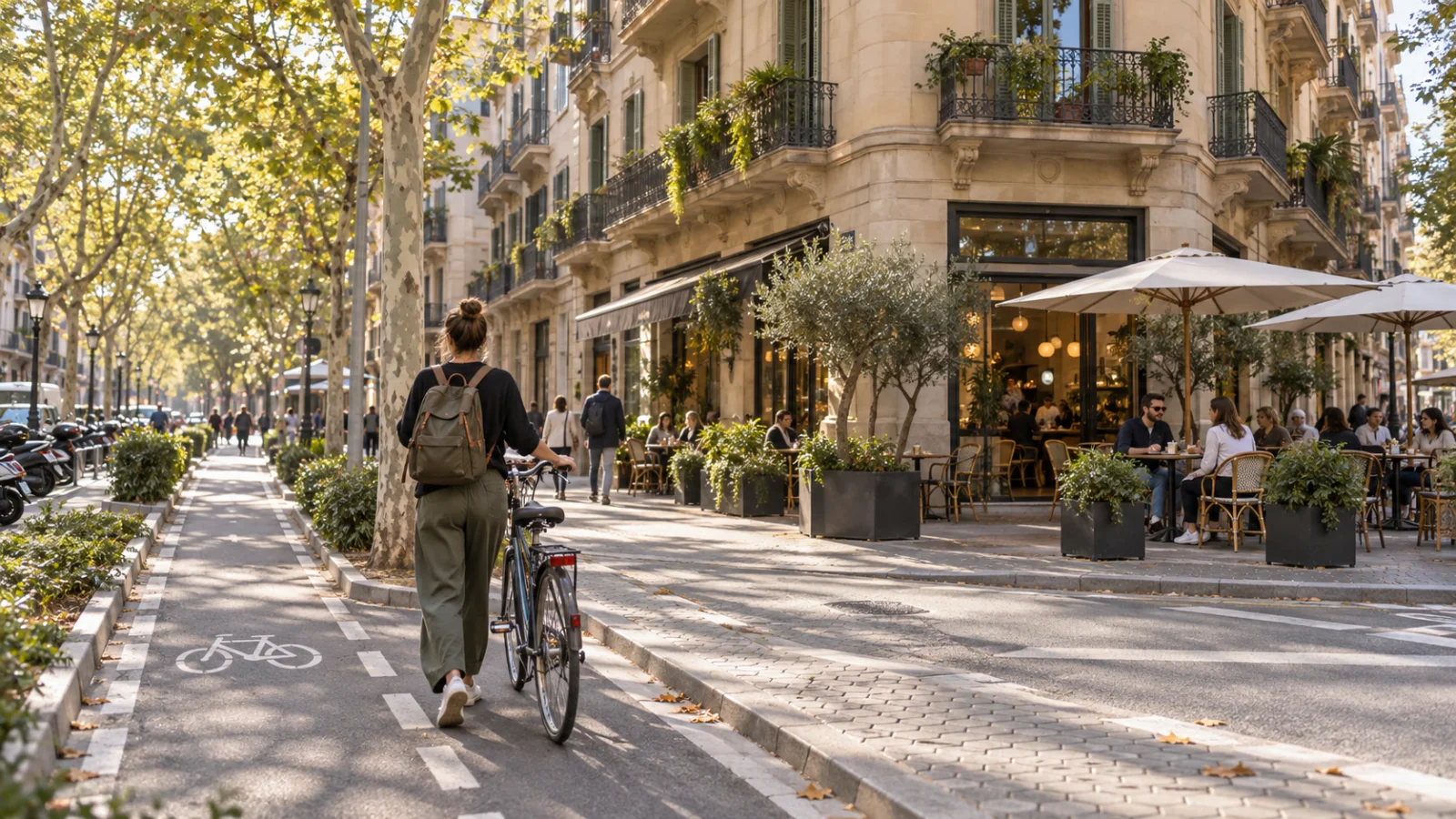
Barcelona earns 94/100 for a three-day first trip. The grid makes Eixample legible, the old city rewards slow walking and the coast supplies an easy release valve. The trip loses quality when every Gaudí work becomes a paid interior or when beach time, a distant excursion and several timed tours compete for the same afternoon.
The three-day route
01
Park Güell, Gràcia and Sant Pau
Use the confirmed Park Güell slot as the anchor, ideally early enough that the hill and paths are still manageable. A guided inclusion and direct admission are different products; know which one you booked. Walk downhill into Gràcia for plazas, independent shops and lunch.
Continue toward the Sant Pau Art Nouveau Site, choosing its design-rich interior only if energy and architecture interest remain. Finish along the Eixample grid rather than adding a second timed Gaudí commitment.
02
Eixample Modernisme and Sant Antoni
Walk Passeig de Gràcia and choose one major house: Casa Batlló for the more theatrical interior or La Pedrera for rooftop form and a different spatial story. Seeing both façades costs nothing and prevents a short trip from becoming an architectural admission marathon.
Move through the Eixample grid toward Sant Antoni for lunch and a slower afternoon. The chamfered blocks, markets and residential rhythm explain Barcelona as much as another ticket. Finish near Poble-sec or the Eixample rather than adding the beach simply because sunset is approaching.
03
Gothic Quarter, El Born and one open-air branch
Begin in the Gothic Quarter before the main pedestrian corridors fill, then move through El Born. Choose the Picasso Museum as the day’s indoor anchor or keep the morning design-, market- and street-led. Protect belongings in dense visitor corridors without letting vigilance erase the pleasure of walking.
After lunch, choose the waterfront and Barceloneta for sea air, or Montjuïc for gardens, views and museums. Do not attempt both. The beach branch is easier and freer; Montjuïc is stronger for culture and a high-city perspective.
Choose the right final afternoon
Waterfront + Barceloneta
Choose sea air, a long lunch and an easy walk. Treat the beach as public space, not a reason to carry valuables casually.
Montjuïc
Choose one museum or site and leave time for the hill itself. Cable car, funicular, bus and walking routes solve different last-mile needs.
City-pass decision
Guided Gaudí products and museum-transit cards are different purchases.
Go City currently includes hosted or guided Park Güell entry, Casa Batlló and selected museum products across its pass range. Essentials covers three choices; Explorer spreads selected attractions across 30 days; All-Inclusive runs on calendar days. The Barcelona Card instead focuses on museums, discounts and public transport.
We may earn a commission if you buy through the Go City link. Your price does not increase, and affiliate payout does not affect the verdict.
Why Barcelona lost 6 points
Where to stay for this route
Eixample
Broad hotel choice, strong transit and walkable Modernisme, usually with calmer nights than the busiest old-city lanes. Choose the exact side of the district.
Compare Eixample staysEl Born
Atmospheric streets and quick access to the Gothic Quarter and waterfront. Noise, luggage access and room size vary sharply by building.
Compare El Born staysGràcia
Excellent plazas and evenings near the northern Gaudí route. The old city, Montjuïc and beach require longer journeys.
Compare Gràcia staysHotel map
Loading live accommodation options…
What three days really cost
For two people sharing a room, budget roughly €170 to €350 per person per day before flights or rail. Free streets, markets and waterfront time control costs; multiple guided Gaudí products and central high-season rooms raise them quickly.
| Category | Thoughtful | Comfortable |
|---|---|---|
| Shared room | €75–€135 pp | €150–€235 pp |
| Food and coffee | €45–€70 | €80–€125 |
| Transit and entries | €30–€60 | €65–€105 |
False economy: buying several guided inclusions to “save” can cost the hours Barcelona rewards most—an open lunch, a plaza and the waterfront after the day cools.
Three habits that make Barcelona better
Front-load the timed interior
Place the reserved Gaudí visit in the morning and keep lunch flexible. This protects the day when security or group timing slips.
Let the late day breathe
Barcelona’s meal rhythm and evening public life are part of the trip. Do not fill every 5 p.m. slot simply because a pass remains active.
Use transit for hills and district changes
Walk the Eixample grid and old city. Use Metro or bus for Park Güell, Montjuïc and the genuine cross-city move.
Useful booking shortcuts
Book Park Güell. Choose the next interior carefully.
Barcelona stays
Compare Eixample, El Born and Gràcia against the morning reservations.
Compare staysGo City Barcelona
Compare Essentials, Explorer and All-Inclusive using the exact guided products.
Check live optionsBarcelona activities
Compare architecture, food and history tours after fixing the districts.
Browse activitiesWe may earn a commission when you book through these links. Your price stays the same.
Barcelona first-trip questions
Is three days enough?
Yes for the northern Gaudí route, Eixample and the old city with one open-air branch. No for every Gaudí interior and a major day trip.
Where should I stay?
Eixample is the strongest all-round base. El Born suits old-city evenings; Gràcia suits neighborhood atmosphere.
Do I need a car?
No. Walking and public transport cover the route; parking and central restrictions make a car unnecessary.
Is a pass worth it?
It can be when Park Güell, Casa Batlló or Picasso Museum products already belong. Compare those with the different museum-and-transit Barcelona Card and with direct tickets.
Details checked October 11, 2026. Current structures were checked with Go City Barcelona, its reservation guidance and the official Barcelona tourism shop. Prices and reservation inventory can change.