 Trip Well Spent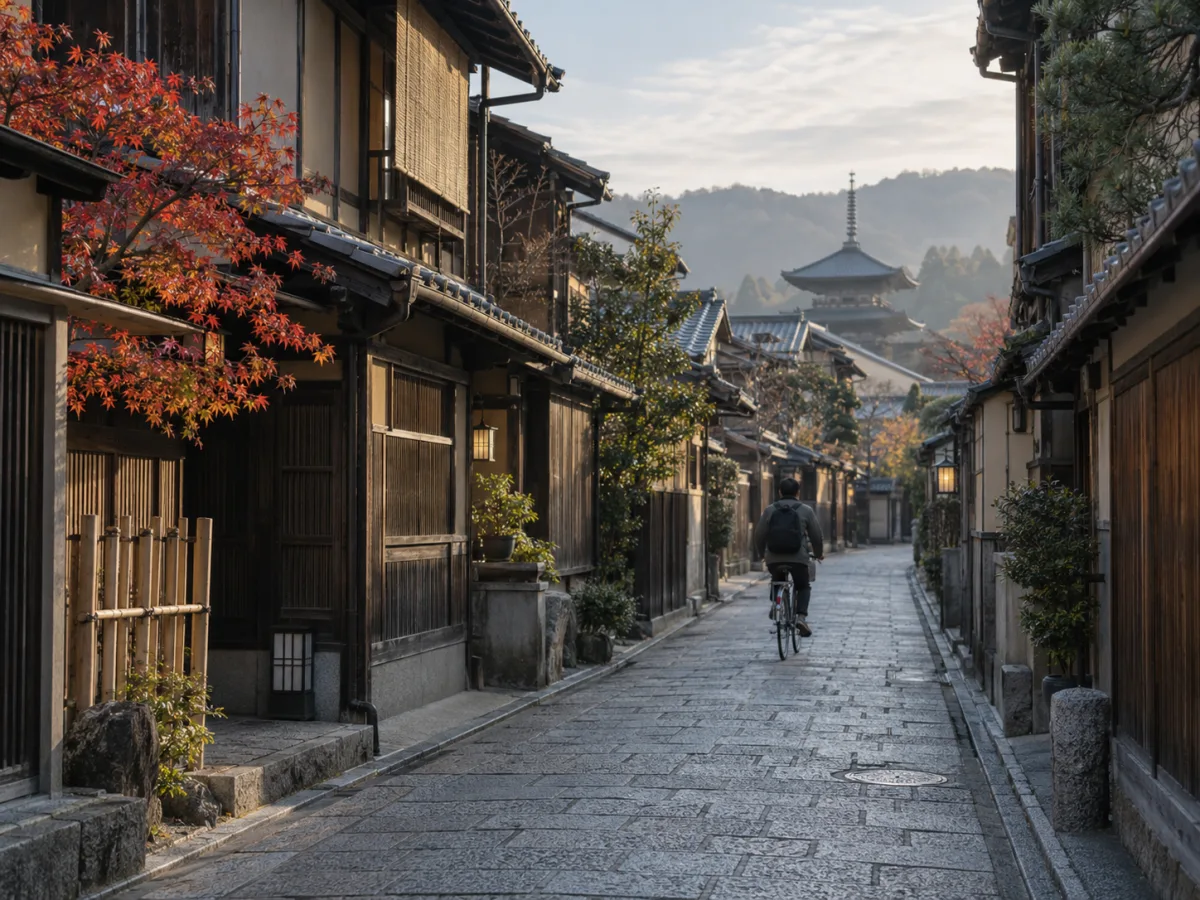
The short verdict
Kyoto earns a 95/100. Few cities reward itinerary design this much. Group the sights into east, south, west and north, start the marquee mornings early, and Kyoto becomes calmer, deeper and far easier than its busiest photos suggest.
The five-day route
01
Southern Higashiyama, downhill
Begin around Kiyomizu while the lanes still breathe, then work downhill through preserved streets toward Gion. Pick one substantial temple or garden for the afternoon. End near the river instead of crossing the city for another “must-see.”
02
Fushimi first, Uji if you still have energy
Fushimi Inari rewards the earliest alarm of the trip. Walk beyond the first photo bottleneck, then decide at lunch whether to add Uji or return for a slow market and river afternoon. Both are good choices; exhaustion is not a badge.
03
Arashiyama beyond the bamboo
The bamboo path is a short opening scene, not the whole day. Continue into Sagano, choose a garden or temple with room to linger, and let the river or a low-key walk carry the afternoon. Return before dinner rather than chasing sunset transport.
04
Golden Pavilion & the quieter north
See the famous reflection, then build the rest of the day around a slower northern corridor. A garden, a small museum and a neighborhood lunch keep this from becoming another checklist day.
05
Nara, or the Kyoto you missed
If deer, monumental temples and a clear day-trip story excite you, take the direct train to Nara. If not, keep your last day in Kyoto for the Imperial Palace area, a cooking class, a hike or the neighborhood you rushed earlier.
Pick your day-five card
Nara day trip
Choose Nara for scale, parkland and a clean change of scene. Go early, choose one main temple area and resist turning the day into a race back for Kyoto dinner.
Slow Kyoto
Choose Kyoto for a hike, craft workshop, tea experience or a second pass through a favorite neighborhood. This is the better answer if temple fatigue has already arrived.
Compare places to stay
Keep your Kyoto evenings walkable
Downtown is the lowest-friction first-trip base; Southern Higashiyama wins on atmosphere; Kyoto Station is best when day trips dominate.
Compare Kyoto staysAffiliate disclosure: if you book after using this link, we may earn a commission. Your price does not increase.
Why Kyoto lost 5 points
Where to stay in Kyoto
Downtown Kyoto
Restaurants, shops, the river and useful transit within easy reach. It is modern rather than storybook, and that is why it works.
Compare downtown staysSouthern Higashiyama
Traditional lanes on the doorstep and beautiful early walks. Expect quieter late evenings and a price premium for the setting.
Compare HigashiyamaKyoto Station
Excellent for multiple day trips, luggage days and simple arrivals. Less atmospheric for the hours you are not on a train.
Compare station staysHotel map
Loading live accommodation options…
What five days really cost
A comfortable trip can land around ¥22,000–¥45,000 per person per day sharing a room, before long-distance rail. Cherry-blossom and autumn-foliage dates can move accommodation well beyond that band.
| Category | Thoughtful | Comfortable |
|---|---|---|
| Shared room | ¥8k–¥14k pp | ¥16k–¥28k pp |
| Food & coffee | ¥5k–¥8k | ¥9k–¥14k |
| Local transit & entries | ¥3k–¥5k | ¥4k–¥7k |
Questions people ask before Kyoto
Are five days too many?
No. Five days lets you group the city geographically, keep one flexible day and avoid compressing every major district into exhausting cross-city loops.
Should I stay near Kyoto Station?
Stay there if rail-heavy day trips or luggage logistics dominate. For food, evening walks and first-trip atmosphere, downtown is usually the stronger all-round base.
How do I avoid the worst crowds?
Use early mornings for the famous open-air sites, keep each day in one side of the city and spend the middle of the day on lunch, gardens, museums or smaller places.
Is a Nara day trip essential?
No. It is a great option, not a requirement. Travelers who want a deeper Kyoto experience can use day five locally without feeling they missed the trip.
Need more variety? The companion guide to things to do in Kyoto besides temples turns craft, food, manga, railways and sake into five geographic days.
Spring 2027: use our flexible five-day cherry blossom plan to avoid building the whole trip around a premature exact-peak claim.
Freshness note: Seasonal hours, temple fees and local transit products change. Confirm your specific sights and routes with official operators before travel, especially during spring and autumn peaks.